Common Reasons Homeowners Seek Tree Removal
Mature canopies bring undeniable character, refreshing shade, and vibrant wildlife activity to residential properties across the nation. However, large plants can also create severe structural complications, safety hazards, and practical difficulties for property owners as neighborhoods mature. Recognizing when a grand natural feature transforms into a serious operational liability proves essential for maintaining an orderly residential landscape. Investing in professional tree removal becomes necessary when natural expansion threatens built infrastructure or endangers living quarters. Learning the primary motivations driving residential extraction helps families make proactive, well-informed choices regarding landscape safety, structural preservation, and overall outdoor management throughout changing seasons.
Identifying Structural Decay With Professional Diagnostic Assessments
Internal decay silently undermines botanical stability long before outward signs of damage appear clearly on exterior bark surfaces. Fungal conks, expansive hollow cavities, and brittle branch junctions indicate that internal trunk tissue has lost its load-bearing capability. A weakened specimen standing beside a home presents enormous risk during unexpected windstorms, potentially crashing through roofs or smashing parked vehicles. Certified arborists inspect compromised wood fibers to assess whether internal decay has progressed beyond practical recovery options. When structural integrity deteriorates completely, scheduling extraction prevents disastrous residential impacts, protecting valuable personal property and ensuring continuous safety for everyone living on the premises.
Balancing Environmental Benefits With Pressing Safety Demands
Homeowners frequently hesitate before eliminating expansive green canopies because large shade trees contribute positive ecological benefits to surrounding communities. According to the U.S. Forest Service, a mature tree can absorb about 48 pounds of carbon dioxide per year. Even so, ecological contributions cannot outweigh the immediate dangers of an unstable trunk looming over bedrooms, utility lines, or heavily traveled driveways. When safety hazards become acute, thoughtful tree removal remains the most responsible choice for property stewardship. Homeowners can always balance their environmental footprint later by planting multiple younger, properly located ornamental saplings elsewhere across their spacious outdoor yards.
Mitigating Severe Storm Damage From Violent Weather Events
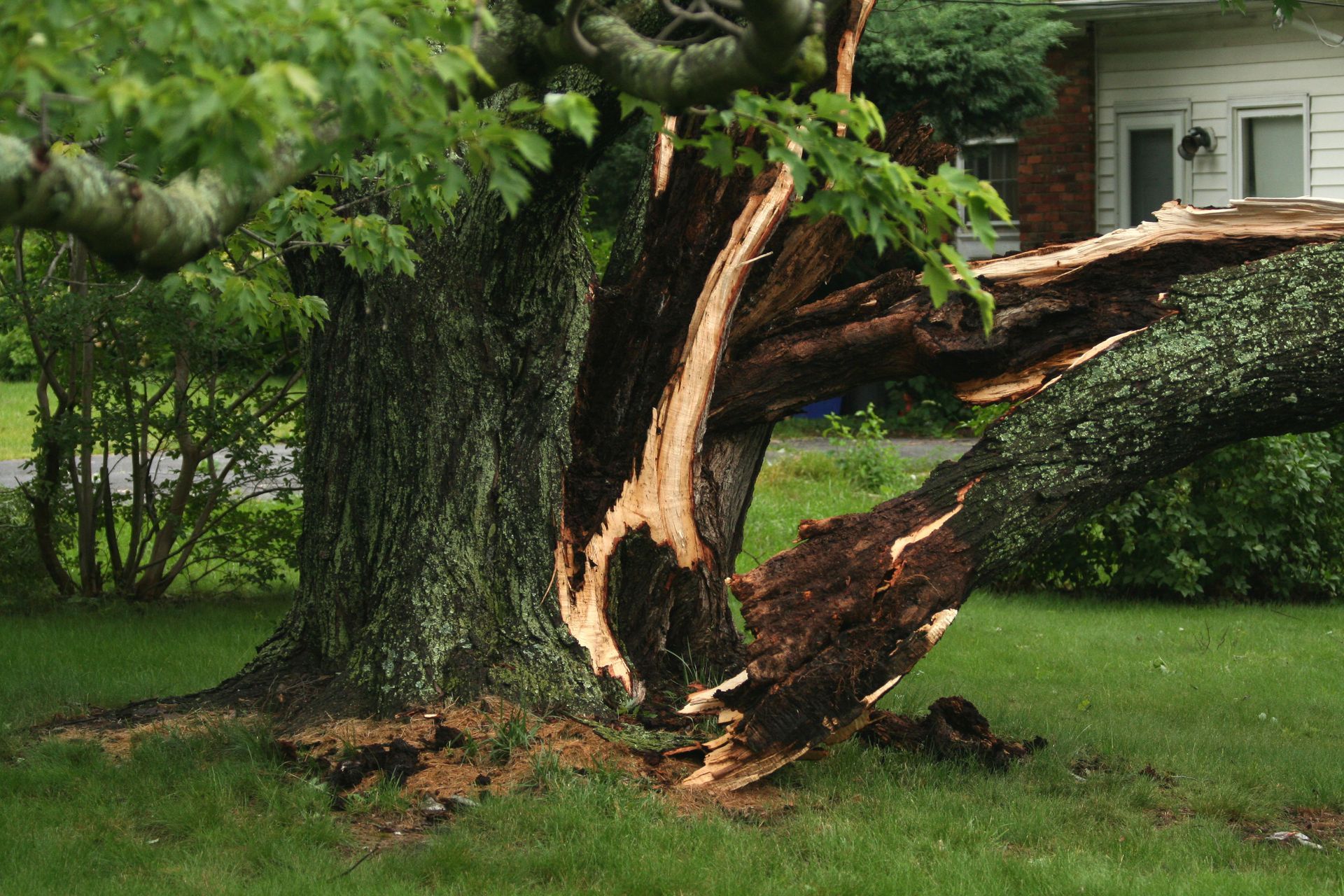
Severe thunderstorms, freezing ice accumulations, and microbursts routinely snap heavy limbs or split major trunk bifurcations without warning. When wind tears large sections away from an older specimen, the remaining canopy becomes lopsided, structurally compromised, and exceptionally hazardous. Partial breaks often leave massive hanging boughs suspended dangerously over outdoor patios, children's swing sets, or adjacent neighborhood properties. Attempting temporary braces or cosmetic pruning on badly splintered timber rarely restores original mechanical strength. Extracting severely shattered specimens removes persistent physical threats, clearing damaged debris safely so homeowners can restore yard order and rebuild damaged fencing.
Eliminating Invasive Root Systems Threatening Underground Infrastructure
Below the surface, extensive root systems travel surprising distances searching relentlessly for nutrients, subterranean moisture, and porous soil pockets. Powerful wandering roots slowly penetrate sewer lines, crack thick concrete foundations, displace brick pavers, and heave concrete driveway slabs upward. Repairing persistent plumbing backups or cracked basement walls costs thousands of dollars when aggressive root networks continue expanding without restriction. Severing major underground roots to save nearby concrete often destabilizes the specimen above, making extraction necessary. Modern tree removal permanently stops aggressive underground encroachment, protecting critical buried utility lines and preserving expensive flatwork masonry for decades to come.
Clearing Adequate Space for Ambitious Home Expansions
Growing families eventually require expanded functional living space, such as detached multi-car garages, outdoor swimming pools, or spacious rear patio additions. Established timber stands frequently occupy the exact geographical footprint designated for essential home construction or modern architectural extensions. Heavy construction equipment working near trunk perimeters also compacts delicate root zones, unintentionally inducing slow botanical decline. Rather than attempting to build awkwardly around an immovable trunk and risking future failure, homeowners deliberately clear the construction footprint. Extracting obstructive greenery creates necessary clearance for building foundations, enabling contractors to complete home additions efficiently and securely.
Halting Infectious Diseases Before Pathogens Infiltrate Neighborhoods
Invasive insects, destructive fungal blights, and aggressive bacterial pathogens spread rapidly through residential subdivisions containing vulnerable forest canopies. Infestations like emerald ash borers or oak wilt hollow out living vascular networks, drying timber until branches snap under slight breezes. Chemical treatments rarely succeed once destructive wood-boring larvae or fungal spores infect substantial portions of an internal trunk. Leaving a contagious specimen in place enables airborne spores and pests to migrate into neighboring yards, threatening nearby timber. Timely tree removal halts pathogen proliferation, sanitizing property boundaries while shielding healthy neighboring foliage from devastating regional disease outbreaks.
Reclaiming Direct Sunlight for Stifled Turfgrass and Gardens
Dense, overlapping branch canopies cast deep permanent shadows that starve underlying lawns, ornamental shrubs, and vegetable gardens of vital sunlight. Turfgrass growing beneath heavy shade turns sparse, yellow, and muddy, creating unsightly bare patches that erode during heavy rains. Additionally, deep root competition absorbs available soil nutrients, leaving nearby garden beds stunted and chronically undernourished throughout summer months. Removing an overbearing canopy allows warm, natural sunlight to bathe backyards once again, revitalizing struggling turf and encouraging perennial flowers to thrive. Balanced illumination transforms dreary landscapes into lush, verdant outdoor areas where children and families enjoy spending time.
Preventing Persistent Power Disruptions Through Utility Clearance
High-voltage electrical transmission corridors passing through residential neighborhoods require uninterrupted aerial clearance to prevent catastrophic electrical short-circuits. Limbs growing too close to overhead wires create dangerous arcs, spark fires, or snap lines during winter ice storms. Electrical utility companies regularly butcher nearby branches with aggressive pruning cuts that leave canopies visually disfigured and structurally off-balance. Rather than enduring ugly, asymmetric branches or recurrent power outages during storms, homeowners choose total extraction. Eliminating problematic vegetation along electrical easements shields neighborhoods from dangerous blackouts, fires, and hazardous downed wires throughout severe winter and summer seasons.
Resolving Boundary Disputes Between Frustrated Adjacent Neighbors
Sprawling branches and dropping debris rarely respect surveyed boundary lines, often extending far over fences into adjacent yards. Overhanging limbs dump rotting fruit, sap, and leaves onto neighboring driveways, clogging gutters and staining expensive vehicle finishes. Disagreements regarding maintenance responsibilities, potential property damage, and restricted views frequently strain relationships between otherwise friendly property owners. When careful trimming fails to resolve ongoing neighborhood friction or disputes, complete extraction provides an unambiguous solution. Professional tree removal eliminates contested overhanging branches entirely, restoring pleasant neighborly relations and permanently removing liability concerns associated with falling debris across bordering property lines.
Correcting Extreme Leaning Caused by Unstable Soil Conditions
Erosion, localized ground saturation, and prolonged seasonal flooding soften anchoring soils, causing tall timber to tilt noticeably over time. A shifting root plate, evidenced by mounded earth on one side and exposed roots opposite, signals imminent anchorage failure. Unlike natural curved growth toward open sunlight, sudden leaning indicates that subterranean root systems have torn free from stabilizing soil beds. Once anchoring root systems lose their underground grip, catastrophic collapse becomes an unavoidable certainty during the next sustained rainfall. Swiftly executing scheduled extraction eliminates this perilous collapse hazard, keeping nearby structures sound and preventing sudden destruction during regional rainstorms.
Eradicating Persistent Debris Creating Excessive Maintenance Burdens
Certain deciduous species continuously drop annoying seedpods, sticky sap, brittle twigs, and heavy leaf piles across manicured lawns. Homeowners spend countless weekend hours raking expansive lawns, scrubbing gummed patio furniture, and clearing out chronically clogged roof gutters. Clogged gutter channels cause rainwater to overflow backward behind fascia boards, rotting eaves and ruining interior drywall ceilings over time. When routine yard maintenance transforms into a relentless, exhausting chore, homeowners choose to replace troublesome varieties with tidier landscape alternatives. Modern tree removal frees up personal leisure time, substantially reduces exterior cleaning burdens, and keeps residential roofs clean and dry.
Landscape management requires maintaining a delicate harmony between welcoming natural elements and defending built structural investments from damage. Although expansive shade trees deliver undeniable environmental beauty, age, severe weather, disease, and root intrusion frequently demand decisive physical action. Identifying visible structural risks early enables families to address precarious vegetation before destructive accidents occur during severe storms. Scheduling professional tree removal protects residential roofs, underground piping, and neighborhood electrical grids while restoring valuable sunlight to manicured lawns. Thoughtful landscape choices secure residential investments, creating attractive, safe, and functional outdoor environments that families can comfortably enjoy across many peaceful years ahead.
Are you seeking a professional-level tree removal service in Point Pleasant, WV, and the surrounding areas? The tree experts at Davis Tree and Lawn Care LLC have you covered! Contact us today to schedule your next service appointment.
Share On: