Why Local Tree Removals Prevent Property Damage
Trees are valuable features of urban and suburban landscapes, providing shade, natural beauty, habitat, and environmental benefits. However, trees can also create serious problems when they become diseased, damaged, overgrown, or unstable. In certain situations, local tree removals may be necessary to protect homes, vehicles, utility systems, landscaping, and the people who use the surrounding property. Understanding when removal is appropriate allows property owners to address potential hazards before they result in expensive or dangerous damage.
Tree-related problems are not always immediately obvious. Damage can develop underground through spreading roots, high in the canopy through weakened limbs, or within the trunk because of disease and decay. Regular inspections and professional assessments can help property owners recognize warning signs early and determine whether pruning, treatment, structural support, or removal is the most appropriate solution.
Understanding Tree-Related Risks
Understanding the different ways trees can affect a property is an important part of responsible landscape management. Problems involving branches, roots, disease, weather exposure, and nearby utilities can develop gradually or appear suddenly. Recognizing these risks allows property owners to take action before a vulnerable tree causes significant damage.
Tree Growth and Structural Integrity
The growth of trees, although generally beneficial, can lead to complications when left unchecked. Over time, the weight of branches and foliage can strain a tree's structural integrity, potentially resulting in breakage. During storms, weakened branches may snap and damage roofs, vehicles, fences, sheds, and other structures. A tree that is noticeably leaning can also indicate an elevated risk to nearby buildings. When structural problems cannot be corrected safely, local tree removals can help property owners prevent more serious damage.
Visible Structural Defects
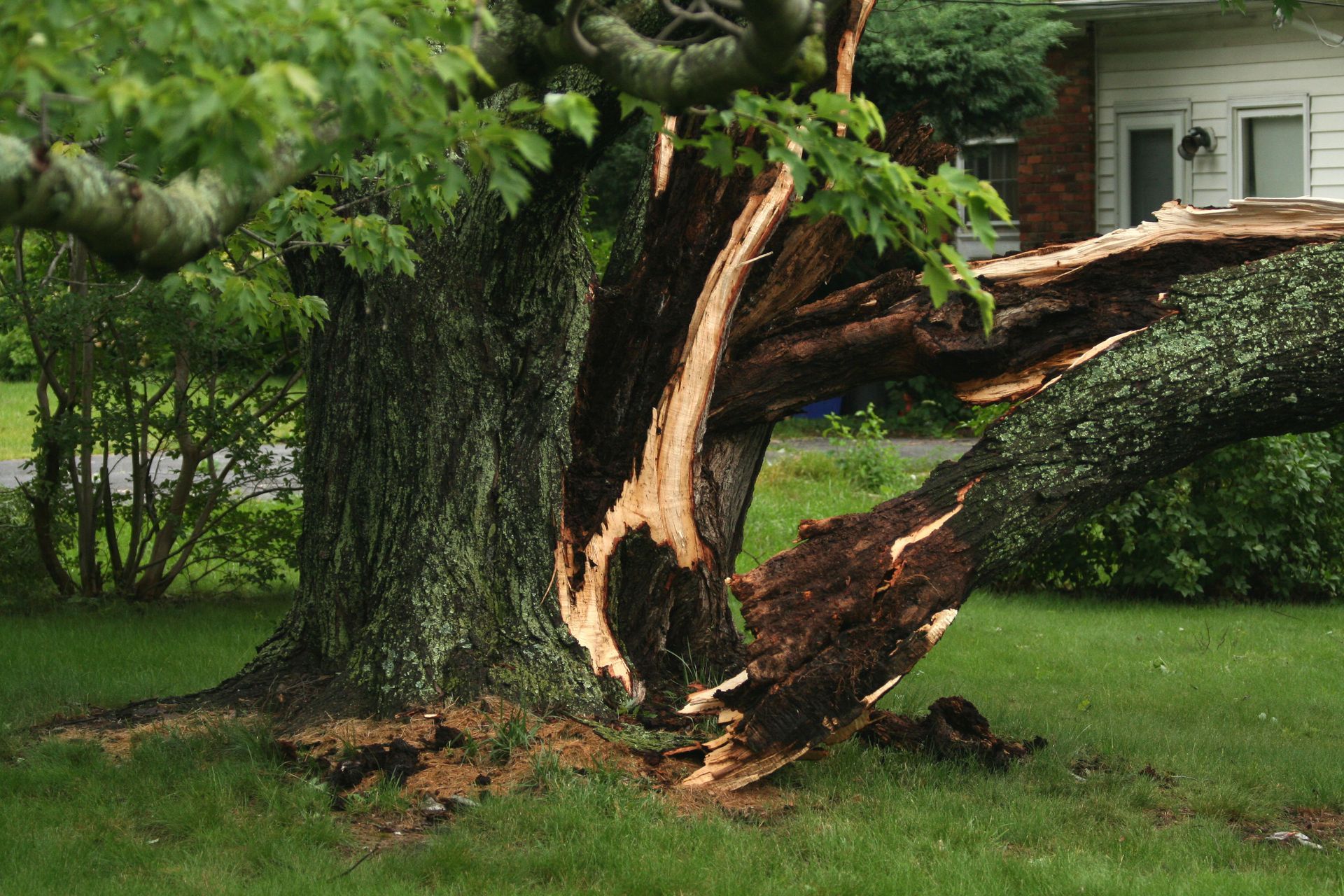
Trees with noticeable structural defects can create risks for both property and people. Large cracks in the trunk, splitting limbs, weak branch unions, hollow areas, and multiple trunks separating from the same point can indicate significant instability. The seriousness of these defects depends on the tree's size, species, condition, and location. When a structural defect presents an unacceptable risk that cannot be corrected through pruning or support, local tree removals may provide the safest long-term solution.
Invasive Root Patterns
Invasive root patterns are not always easy to identify without careful examination, but they can contribute to significant property problems. Roots growing near pavement, foundations, driveways, and underground utilities should be monitored for signs of interference. Raised pavement, cracking, and changes in soil elevation can sometimes indicate extensive root development beneath the surface. Depending on the circumstances, root barriers, selective root management, or other professional solutions may help control the problem without removing the entire tree.
Benefits of Proactive Tree Removal
Taking action before a hazardous tree fails can protect property and make landscape management easier. Proactive tree removal may prevent damage to buildings, underground systems, utility infrastructure, and surrounding landscaping. It can also give property owners more control over when and how a problematic tree is addressed.
Protecting Foundations and Structures
Addressing hazardous trees before they fail can help safeguard homes, garages, fences, driveways, and other structures. Poorly positioned or unstable trees can cause substantial damage if large limbs fall or the entire tree collapses. Root growth can also interfere with certain hardscaping and underground features. Carefully planned local tree removals allow property owners to address trees that present significant structural concerns while preserving healthy trees that can safely remain on the property.
Preventing Sewer and Pipeline Issues
Tree roots can sometimes enter damaged or vulnerable sewer and drainage pipes while searching for water and nutrients. Once roots enter an opening, continued growth can contribute to blockages and recurring plumbing problems. Removing a tree does not automatically repair an existing damaged pipe, so the underground system may still require professional attention. Evaluating both the tree and the affected infrastructure can help property owners determine the most effective long-term solution.
Supporting Electrical and Communication Safety
Trees that interfere with electrical or communication infrastructure can contribute to outages and equipment damage. Falling limbs can pull down overhead lines, while entire trees may block roads or create unsafe conditions following storms. Proactive vegetation management can reduce these risks and help utility providers maintain more reliable service. Any work close to electrical equipment should be handled by professionals who understand the specialized procedures required for these environments.
Improving Landscape Aesthetics
Removing a damaged, declining, or poorly located tree can create opportunities to redesign the surrounding landscape. Crowded trees may restrict sunlight, reduce airflow, and prevent lawns or smaller plants from developing properly. Strategic changes can create additional room for gardens, patios, new plantings, and other outdoor improvements. According to the U.S. Environmental Protection Agency, a healthy tree canopy can reduce surrounding air temperatures by up to 9°F in residential areas, highlighting the importance of balancing necessary removal with the preservation and replacement of healthy trees.
Reducing Liability and Property Risks
Property owners have an interest in addressing trees that display obvious signs of instability or deterioration. Falling branches can damage neighboring property, vehicles, outdoor structures, and other valuable assets. More importantly, unstable trees can create safety concerns for residents, visitors, workers, and pedestrians. When a professional assessment identifies an unacceptable hazard, local tree removals can be part of a proactive property maintenance strategy designed to reduce preventable risks.
Cost and Time Considerations
The cost of tree removal varies based on factors such as tree size, condition, accessibility, equipment requirements, surrounding structures, and disposal needs. A relatively small tree in an open yard may require significantly less labor than a large tree positioned between a house and utility lines. Obtaining a professional assessment can help clarify the scope of the project. Planning local tree removals before a hazardous tree becomes an emergency may also provide greater flexibility when scheduling work and preparing the surrounding property.
Alternatives to Tree Removal
Removing a tree is not always the only way to address a concern. Depending on the tree's health and the nature of the problem, pruning, root management, relocation, growth management, or monitoring may provide suitable alternatives. Professional evaluation can help determine whether a tree can remain safely on the property.
Tree Pruning and Trimming
Tree pruning and trimming can be effective alternatives when the tree itself remains healthy and structurally viable. Selective pruning can remove dead, damaged, rubbing, or excessively heavy branches while improving canopy structure. Proper techniques may also reduce wind resistance and prevent branches from interfering with roofs, driveways, or other property features. Excessive or improper pruning, however, can weaken a tree, making professional evaluation valuable before extensive work begins.
Installing Root Barriers
Root barriers may be useful for controlling root growth in certain locations. These systems are designed to redirect roots away from pavement, foundations, landscaped areas, or other sensitive features. Effective installation requires careful planning because cutting or disturbing major structural roots can destabilize a mature tree. A professional can evaluate whether a root barrier is appropriate without creating additional problems for the tree.
Trees provide substantial environmental, aesthetic, and practical benefits, but maintaining them responsibly also means recognizing when one has become a serious hazard. Disease, structural weakness, unstable roots, storm damage, and conflicts with nearby infrastructure can all make removal necessary. By arranging professional inspections and considering local tree removals when a tree can no longer be safely preserved, property owners can protect buildings, landscaping, utilities, and the people who spend time around the property.
Removal should not automatically be the first response to every tree-related concern. Pruning, root management, treatment, monitoring, and relocation may provide practical alternatives depending on the condition of the tree. When removal is necessary, careful planning followed by appropriate rehabilitation or replacement planting can preserve the long-term appearance and environmental value of the landscape. Taking a proactive approach to tree care helps create safer, healthier, and more functional outdoor spaces for years to come. Contact Davis Tree and Lawn Care LLC today to learn more.
Share On: